
Why industrial flex, why now.
A thesis built on durable demand, structural scarcity, and a fragmented ownership base — the conditions for disciplined buyers to compound capital for decades.
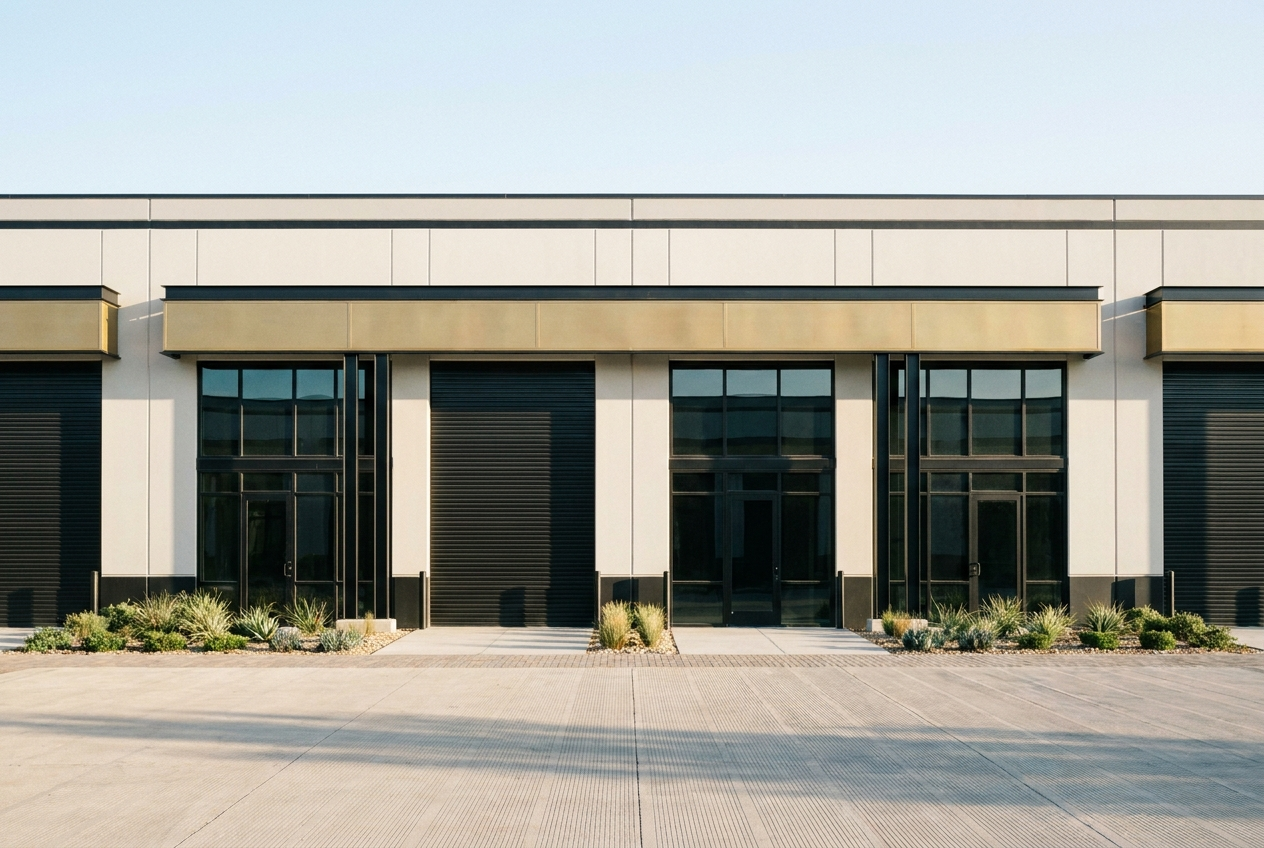
Small-bay suites serving the real economy.
Industrial flex buildings are single-story, multi-tenant properties divided into 1,500–10,000 SF suites for contractors, e-commerce sellers, light manufacturers, and local service businesses — the operators that keep regional economies running.
Three structural tailwinds.
Reshoring, last-mile logistics, and small-business formation are all driving demand for affordable, well-located industrial space faster than the market can supply it.
U.S. small-business spending on space annually
Of flex tenants renew at term
Of new industrial supply is small-bay
The new supply is going somewhere else.
Developers are building million-square-foot bulk warehouses for national tenants, not 5,000-foot suites for local ones — and ownership is profoundly fragmented, giving disciplined buyers a long runway of off-market acquisitions at a replacement-cost discount.
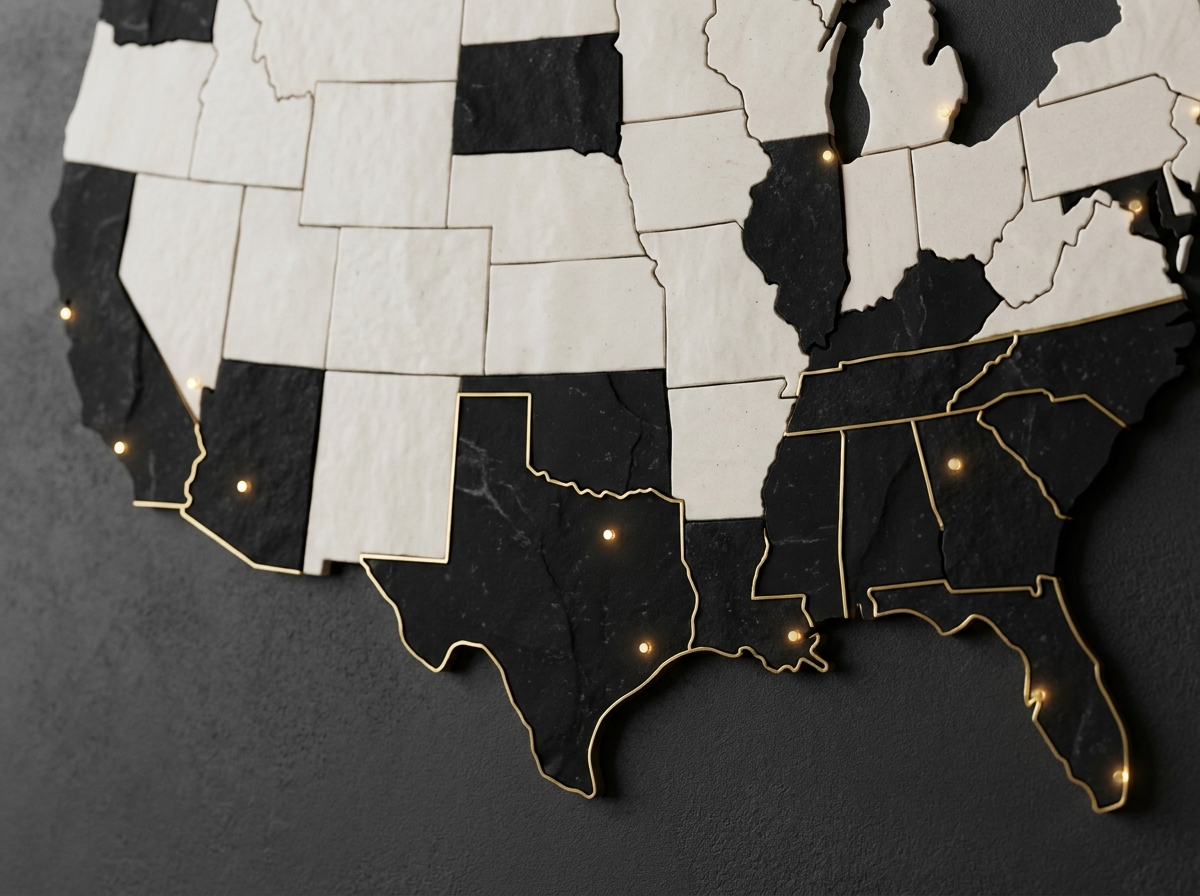
Sun Belt and high-growth secondaries.
We concentrate on Sun Belt markets with population and employment growth outpacing the national average, and on submarkets within ten miles of a major employment core.
We underwrite the loss case first.
- Modest leverage. We target 55–60% loan-to-cost on acquisitions and stress test against material rate moves.
- Tenant diversification. No single tenant represents more than 5% of portfolio income.
- Geographic diversification. We spread capital across multiple Sun Belt markets to limit single-market exposure.
- Going-in cash flow. We require day-one yield; we are not in the business of buying speculation.

Partner with us.
We work with a select group of accredited investors, family offices, and institutions.
Request Access